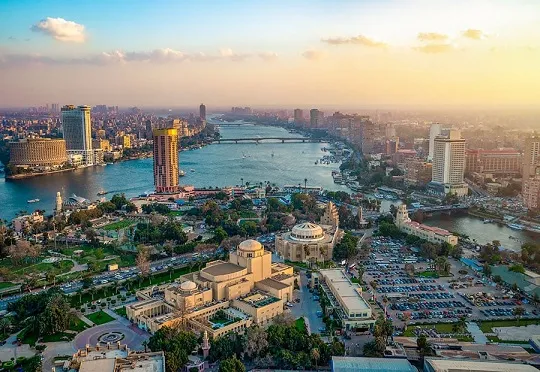
The global macroeconomic landscape is currently undergoing a profound restructuring, with capital aggressively shifting toward high yield emerging markets. As analyzed by Emeralds Edition, Egypt has firmly emerged as a strategic investment hub capturing intense international attention. Historically viewed through the narrow lens of tourism, Egypt is rapidly transforming, driven by ambitious structural reforms, monumental infrastructure development, and an evolving supply chain ecosystem. Boasting a dynamic consumer market exceeding one hundred eleven million people, the nation offers a compelling demographic dividend. By implementing flexible currency policies and securing historic foreign investment, Egypt is perfectly positioned to dominate global capital flows.
Strategic Geographic Advantage
A Gateway to Global Commerce
- Historically, the unique geographical location of Egypt, situated at the direct convergence of Africa, Asia, and Europe, has served as a natural and highly lucrative gateway for global commerce.
- When financial experts discuss Why Egypt Is the Next Emerging Investment Hub, they frequently highlight this unparalleled physical positioning that inherently shields the national economy from severe systemic disruptions, providing manufacturers and exporters with a decisive logistics advantage.
- Furthermore, this unique location empowers multinational corporations to comprehensively optimize their global logistics operations by drastically minimizing maritime transit times.
- Consequently, international manufacturing companies can seamlessly access multiple continental markets from a single, centralized production base located entirely within Egyptian borders.
The Transformation of the Suez Canal
-

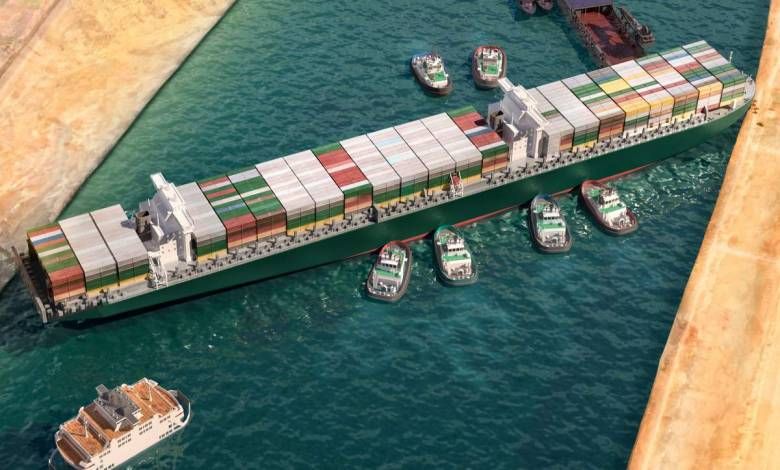
Why Egypt Is the Next Emerging Investment Hub Specifically, the Suez Canal remains the absolute central artery of this geographic advantage, seamlessly handling a massive percentage of total global maritime trade daily.
- However, the government has fundamentally shifted its overarching economic strategy regarding the canal: moving decisively away from merely collecting transit fees toward maximizing the industrial value added to passing commercial goods.
- Therefore, the General Authority for the Suez Canal Economic Zone is currently spearheading this massive transformation by developing integrated industrial complexes and enormous logistics centers along the waterway.
- This strategic initiative effectively turns a simple maritime transit route into a comprehensive, world class hub designed specifically for global supply chains.
Port Modernization and Industrial Integration
- Moreover, the state has heavily invested in the comprehensive expansion and continuous modernization of its Mediterranean and Red Sea maritime ports, transforming them into highly competitive regional gateways.
- Consequently, the strategic integration of these upgraded ports with adjacent industrial zones, advanced logistics areas, and newly developed inland dry ports creates an exceptionally resilient and efficient supply chain ecosystem.
- The regulatory authority possesses independent executive powers that allow it to establish specialized industrial parks with complete operational flexibility, completely bypassing typical local bureaucratic complexities.
- Ultimately, the deliberate concentration of manufacturing facilities within these specialized economic zones completely eliminates logistical frictions, ensuring raw materials are processed locally and finished goods are exported highly efficiently to global consumer markets.
Economic Reform and Policy Transformation
Monetary Stabilization and Capital Inflows
- The rapidly growing confidence of institutional investors in the Egyptian market stems directly from a comprehensive series of bold, structural economic reforms.
- These systemic policy changes have radically reshaped the domestic business environment to heavily favor private enterprise and attract international capital.
- Policymakers deeply recognized that sustainable economic expansion inherently requires a transition from heavy government spending on infrastructure toward high productivity, driven entirely by the private sector.
- Consequently, the Central Bank of Egypt boldly transitioned to a fully flexible exchange rate regime and successfully floated the national currency.
- This decisive monetary policy action completely eradicated the parallel currency market and successfully stabilized national foreign exchange reserves at record highs.
- Furthermore, this critical monetary normalization was immediately accompanied by a massive influx of foreign capital, providing the vital market liquidity needed to completely absorb the initial shock of the currency flotation.
- Moreover, it paved the clear way for expanded financial support arrangements with the International Monetary Fund, the World Bank, and the European Union to successfully navigate past fiscal dangers.
Enhancing the Business Climate
- Macroeconomic indicators have consequently shown remarkable systemic improvement, with the current account deficit shrinking significantly over recent quarters.
- This vital reduction was powerfully driven by a record increase in expatriate remittances and an unprecedented upward leap in non petroleum commodity exports.
- Additionally, the state has aggressively pursued broad regulatory improvements designed specifically to stimulate foreign capital, notably launching the Golden License initiative for global investors.
- This specific legislative initiative provides a unified, single approval process for rapidly establishing and operating major investment projects, thereby drastically cutting administrative red tape.
- Simultaneously, the government aggressively revitalized its national privatization program to significantly reduce the overall footprint of the public sector in the broader economy.
- Finally, the state meticulously plans to list numerous government companies on the Egyptian Exchange; a move designed to enhance market capitalization and elevate national standards of corporate governance and financial transparency.
Massive Infrastructure and Mega Projects
Building the Foundation for Investment
- Furthermore, the rapid trajectory of the current economic renaissance clearly demonstrates Why Egypt Is the Next Emerging Investment Hub, primarily manifested through an unprecedented national portfolio of transformational infrastructure initiatives.
- The state recognized very early that comprehensively modernizing the physical capital of the country is a fundamental prerequisite for attracting long duration foreign direct investment.
- A foundational element of this national transformation is the rapid construction of a comprehensive, nationwide modern road network that flawlessly connects remote industrial zones directly to major commercial ports and inland logistics hubs.
- Vastly upgraded physical infrastructure significantly reduces corporate supply chain costs, effectively accommodates the rapidly accelerating urban population growth, and powers maximum logistical efficiency.
Urban Development and Smart Cities
- The New Administrative Capital currently stands as the absolute crown jewel of these national initiatives, representing a fully integrated smart city meticulously designed to house millions of residents.
- This monumental urban development prominently features state of the art corporate facilities, a dedicated diplomatic quarter, and modern financial centers tailored specifically for multinational corporations.
- Consequently, the booming construction and building sector continuously stimulates deep economic multipliers, generating sustainable domestic demand for raw materials and advanced engineering services.
Advanced Transportation Networks
- Furthermore, Egypt is radically overhauling its entire transportation and logistics sector by rapidly constructing an extensive electrified, high speed railway network.
- In addition, the government has officially launched large scale green transportation projects, prominently including bus rapid transit systems and highly advanced monorail passenger lines.
- Expanding the immense underground metro network further reduces daily reliance on private vehicles and significantly lowers urban carbon emissions across major metropolitan areas.
- Moreover, Egypt is rapidly nearing the final completion of its domestic segments of the vast Cairo to Cape Town continental highway.
- Therefore, by officially establishing a comprehensive network of modern expressways connecting its sovereign territory to central Africa, Egypt solidifies its strategic position as an essential logistical anchor for lucrative inter African trade.
Demographics and Consumer Market
A Massive and Youthful Population
- The robust demographic composition of Egypt represents the absolute primary engine for long term market demand, firmly solidifying its status as the most populous consumer market in the Middle East and North Africa region.
- The national population is currently growing at highly accelerated rates, systematically adding millions of new active consumers to the domestic market on a regular annual basis.
- Specifically, the national demographic structure is heavily characterized by the overwhelming dominance of a technologically promising and highly educated youth segment.
- The vast majority of the current population is firmly situated in their prime years of active consumption and economic production, effectively creating a highly powerful demographic window for lucrative international investment opportunities.
The Advantage of a Skilled Workforce
-

Why Egypt Is the Next Emerging Investment Hub Beyond sheer consumer numbers, the absolute strongest competitive advantage of the nation lies in its highly skilled, exceptionally abundant, and cost effective industrial workforce.
- The state has deliberately prioritized strong vocational training capabilities, resulting in a dynamic labor pool that demonstrates rapid adaptability to brand new manufacturing technologies and highly advanced production systems.
- Consequently, when directly compared to many competing regional and emerging markets, the country provides industrial investors with both massive operational scale and specialized technical skill.
- This unique combination enables the extremely fast ramp up of massive corporate operations completely without incurring excessive labor costs.

Urbanization and Rising Purchasing Power
- Furthermore, this massive demographic expansion directly coincides with a historical movement of rapid urbanization sweeping across the entire nation.
- As most citizens now choose to reside in dense, modern urban centers, this major shift generates massive and completely uninterrupted demand for new housing, retail commercial spaces, and upgraded public utilities.
- Consequently, the very strong dynamics of domestic urbanization practically guarantee that internal market demand is continuously met, heavily shielding the broader national economy from the volatile shocks of declining external global demand.
- Additionally, the rapidly expanding Egyptian middle class is actively planning major capital purchases, specifically targeting real estate properties and private motor vehicles, which actively attracts multinational retail corporations.
High Growth Investment Sectors
Renewable Energy and Technology
- Moreover, the deliberate economic diversification strategy actively proves Why Egypt Is the Next Emerging Investment Hub, successfully identifying several pivotal, high growth sectors that are currently attracting massive waves of foreign direct investment.
- First, the renewable energy sector definitively stands out as a prime destination for global capital, perfectly leveraging the incredibly abundant solar and wind natural resources of the country.
- Specifically, the nation boasts a highly stable electricity generation capacity that fully ensures a completely reliable power supply for continuous, heavy industrial operations.
- This is further supported by a remarkably strong natural gas infrastructure specifically designed to sustain heavy, energy intensive manufacturing industries.
- Egypt has aggressively and successfully positioned itself to become a premier regional exporter of green electricity and green hydrogen directly to energy hungry European markets.
- Furthermore, the domestic technology and startup ecosystem is currently experiencing explosive, exponential growth, heavily driven by a young, highly educated, and entirely digitally native workforce.
- International venture capital firms are increasingly and aggressively directing massive investment funds toward Egyptian financial technology, health technology, and electronic commerce digital platforms.
Tourism, Manufacturing, and Logistics
- Additionally, the national tourism and hospitality sector historically remains a vital cornerstone of the broader economy, consistently offering extraordinary financial returns on initial investment.
- Moreover, local manufacturing and export oriented heavy industries are thriving immensely, recently attracting a massive wave of industrial investments from prominent global and regional manufacturing titans.
- The prominent physical presence and massive financial commitments of major international manufacturing corporations definitively confirm the highly attractive nature of the local industrial environment.
- Consequently, the logistics and supply chain sector is naturally expanding in perfect tandem, heavily supported by the recently modernized maritime ports and the rapidly expanding Suez Canal Economic Zone.
- Modern warehousing, advanced cold chain logistics, and highly automated distribution centers present highly lucrative commercial opportunities for foreign investors actively seeking to bridge African and European commercial trade.
- Finally, domestic real estate and urban property development continue to attract massive international capital inflows, heavily driven by the sheer biological necessity to house a rapidly booming population.
Trade Agreements and Market Access
Bridging African and European Markets
- A highly compelling reason major multinational corporations actively choose Egypt as a primary manufacturing base is the truly unparalleled market access legally provided by its incredibly extensive network of international free trade agreements.
- Egypt effectively serves as a highly privileged commercial gateway directly to massive African markets, specifically through the African Continental Free Trade Area.
- These historic international agreements legally allow commercial goods manufactured within Egyptian sovereign borders to perfectly enter vast African consumer markets completely free of restrictive customs duties.
- Furthermore, the country exclusively enjoys highly preferential trade access directly to wealthy European partners specifically through the European Union Egypt Association Agreement.
- This specific international partnership highly incentivizes global international manufacturers to permanently set up industrial operations in Egypt to export finished consumer products directly to European consumers with massive, unbeatable cost advantages.
Arab Integration and Global Reach
- Additionally, Egypt successfully maintains deep structural economic integration with neighboring Arab economies specifically through the Greater Arab Free Trade Area agreement.
- This vital regional agreement practically facilitates the completely seamless movement of manufactured goods and agricultural products across the highly wealthy nations of the Gulf Cooperation Council and the broader Middle East region.
- Consequently, any international investor establishing a commercial production facility in Egypt is not merely accessing a local domestic market of over one hundred million people.
- Instead, that smart investor is securely establishing a strategic global export platform perfectly equipped with tariff free or highly preferential legal access to nearly two billion active consumers globally.
Challenges Investors Should Consider
Navigating Market Volatility
- While the broader macroeconomic narrative is overwhelmingly positive and highly encouraging, a truly rigorous and highly professional investment analysis must honestly acknowledge the inherent structural challenges currently present within the Egyptian market.
- Historically, the national economy has experienced specific periods of notable economic volatility, largely driven by unpredictable external global financial shocks and intense domestic inflationary monetary pressures.
- Institutional investors must carefully and mathematically factor these persistent risks of monetary inflation directly into their complex financial models and long term profitability corporate projections.
Regulatory and Operational Hurdles
- Furthermore, despite highly significant recent regulatory improvements, specific instances of administrative regulatory complexity and local bureaucratic friction can still occasionally impede the optimal speed of daily business operations.
- Successfully navigating the local legal and administrative government framework very often requires highly specialized local corporate partnerships and exceptionally patient legal counsel.
- Additionally, while the recent historical currency flotation successfully stabilized the broader financial market, the historical legacy of sudden currency fluctuations explicitly requires international corporate firms to properly implement highly robust foreign exchange financial hedging strategies.
- Corporate repatriation of financial profits, although currently functioning very smoothly under the brand new flexible monetary regime, has occasionally faced frustrating administrative delays during past historical periods of severe foreign currency scarcity.
The Long Term Perspective
- However, highly sophisticated global investors heavily specializing in emerging markets deeply understand that these specific operational risks are already accurately priced directly into the exceptionally high yield commercial opportunities currently available.
- Therefore, experienced venture capital firms and massive multinational corporations that intelligently adopt a highly patient, long term strategic approach view these specific challenges as completely manageable operational hurdles rather than absolute insurmountable barriers.
- Ultimately, the truly monumental potential for exponential corporate growth and total market dominance in a largely untapped commercial environment heavily outweighs the specific operational risks for any serious investor operating with a long term financial horizon.
A Structural Economic Transformation
- The long term economic trajectory of Egypt points definitively and clearly toward a profound structural national transformation that will permanently reshape the broader regional financial landscape.
- The highly comprehensive national vision for complete economic transformation is meticulously and fiercely focused on successfully shifting away from a simple consumption driven model directly toward a highly productive, entirely export oriented economy.
- Furthermore, the highly proactive and assertive role of the state in aggressively spearheading regional trade integration perfectly positions the country as the absolute undisputed commercial anchor of both the Eastern Mediterranean and North Africa.
Leading in Green Energy and Digitization
- As major global supply chains continue their current historical process of rapid decentralization and strategic nearshoring, the geographic and heavy industrial readiness of Egypt provides a highly distinct and completely unmatched competitive corporate advantage.
- The continuous and massive accumulation of foreign direct investment, specifically in green energy technology, strongly indicates that Egypt will very likely become a central, indispensable node in the future global clean energy power grid.
- Moreover, the relentless digital digitization of all government public services and the incredibly rapid financial inclusion of the broader population will dramatically and permanently increase the formal taxable size of the national economy.
- Consequently, the seamless integration of highly advanced digital technology directly into traditional legacy sectors, like agriculture and heavy manufacturing, will absolutely trigger unprecedented historical leaps in total national productivity.
Why Egypt Is the Next Emerging Investment Hub
- Ultimately, the highly strategic convergence of bold structural economic reforms, truly unparalleled geographic positioning, and a massive, technologically savvy youthful demographic base explicitly defines the core reasons driving this remarkable transformation.
- The aggressive, large scale modernization of national physical infrastructure, intelligently coupled with incredibly lucrative commercial opportunities across renewable green energy, advanced digital technology, and heavy industrial manufacturing, clearly provides global financial capital with a highly diversified and exceptionally high yield portfolio.
- While certain macroeconomic variables and minor regulatory challenges inherently exist within any developing system, the highly decisive actions taken by national policymakers unequivocally demonstrate a profound, unbreakable commitment to sustainable long term growth.
- By successfully choosing to properly float the currency, financially empower the private sector, and successfully secure massive international financial backing, the state has securely paved the exact path for unprecedented economic expansion.
- Therefore, for serious international investors, forward thinking venture capital firms, and massive multinational corporations actively seeking to heavily capitalize on the very next wave of global economic expansion, Egypt stands firmly as an absolute foundational pillar, perfectly positioned by geography and policy to completely dominate regional trade and global investment flows for the next decade and far beyond.